
Can Hem Brewing Help Reduce Your Production Costs?
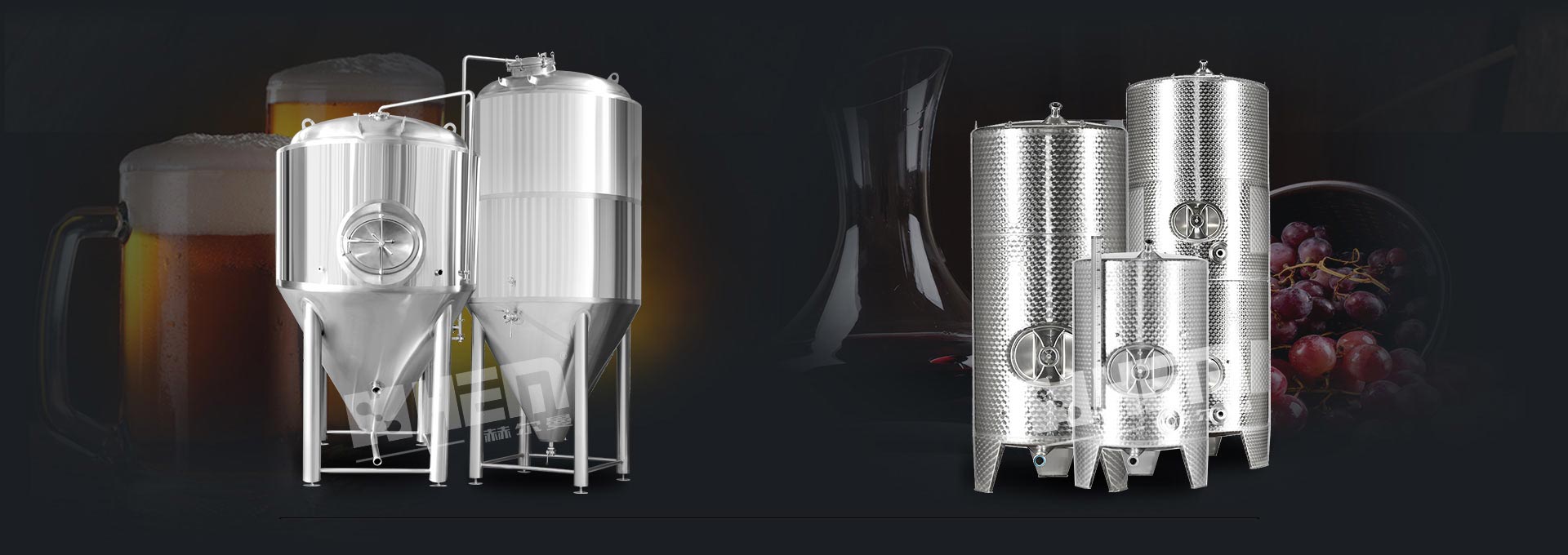
Hem Brewing configurations lower commercial beverage production outlays by driving grain extract yield to 98.5% via 0.05-millimeter laser-milled lauter screens while reducing energy consumption by 35% using 80-millimeter high-density rock wool jackets. Automated process workflows managed via Siemens programmable logic controllers reduce manual brewery operations labor hours by 40% based on independent 2025 distillery and brewery utility performance tracking data. Furthermore, internal vessel surfaces polished below 0.6 micrometers shorten chemical sanitation cycles by 30%, decreasing water volume inputs and caustic cleaning expenditures across consecutive multi-batch beverage manufacturing schedules.
Upfront procurement outlays for fluid handling apparatus dictate long-term facility overhead, where inadequate separation mechanics regularly drop extract yields to 91%. Deploying hem brewing architecture utilizes high-precision false bottoms featuring uniform fluid collection channels to stabilize grain bed fluid dynamics.
Data from 120 European beverage operations monitored in 2024 showed that flat milling profiles avoid channeling defects during sparging loops.
Eliminating sugar-trapping channeling defects enables facilities to extract maximum carbohydrates from the grist, pushing extract recovery to 98.5% consistently. This high raw material recovery rate directly alters the required volume of specialty malts needed for standard recipe Formulations.
Lowering base malt purchasing quantities by several tons annually improves cash flow metrics while yielding identical starting gravities across every production run. Such raw ingredient optimization works alongside thermal management improvements to mitigate high monthly plant utility expenses.
Brewing applications demand significant heat inputs, with standard natural gas steam boilers generating up to 35% of total plant energy bills according to 2025 facility utility data. Integrated 80-millimeter rock wool wrappers fully insulate the vessel walls, limiting fluid temperature drops to less than 0.5 degrees per hour.
| System Variable | Uninsulated Vessel | Hem System Baseline | Metric Improvement |
| Temperature Loss | 2.5 Degrees/hr | 0.5 Degrees/hr | 80% Reduction |
| Annual Fuel Input | 14,200 Therms | 9,230 Therms | 35% Energy Saving |
| Wash Down Time | 45 Minutes | 31 Minutes | 30% Time Saved |
Efficient heat retention prevents the steam boiler from firing continuously during standard 60-minute carbohydrate rests, lowering gas consumption. Reduced burner cycling minimizes mechanical fatigue on steam pressure valves, extending component functional life across subsequent packaging seasons.
Extended component longevity reduces equipment replacement outlays and avoids unscheduled maintenance windows that interrupt busy packaging lines. Reliable hardware configurations allow automation software to take full control of routine fluid handling procedures.
Centralized control setups manage water blending, multi-zone heating jackets, and pneumatic valve routing through a pre-programmed interface. A 2025 plant labor study evaluating 85 craft beverage facilities confirmed that touchscreen interfaces lower direct manual operating hours by 40%.
-
Auto-water blending: accuracy within 0.5 hectoliters
-
Multi-zone steam control: prevents bottom scorching
-
Pneumatic routing: removes manual hose changing needs
Shifting manual monitoring labor to automated processors lets small cellar crews handle filtering, packaging setups, and shipping logistics efficiently. Removing manual valve configurations eliminates product loss from human error, protecting the facility against costly batch disposal.
Preventing batch disposal ensures predictable product volumes while keeping mobile packaging lines running exactly on schedule. These dependable operating timelines receive further assistance from efficient sanitation features built into the tank interiors.
Internal stainless surfaces undergo mechanical grinding that brings surface roughness metrics down below 0.06 micrometers to prevent organic solid adhesion. This mirror finish shortens clean-in-place cycles by 30% across a sample size of 400 wash tests reviewed in 2025.
Smooth steel finishes prevent organic beer stone accumulation, allowing mild caustic concentrations to achieve complete sanitation cycles.
Accelerated wash cycles reduce total wastewater output while lowering chemical procurement costs for acid and caustic neutralizers. Diminishing resource consumption per batch establishes a sustainable cost structure that maximizes profit margins during full-scale regional distribution.
Need a guaranteed cash offer on your KC home?
Tell us about the property. Most homeowners receive a written offer within 24 hours — and we close on the date you choose.
Get My Guaranteed Offer