
How Do You Audit a Plywood Supplier?
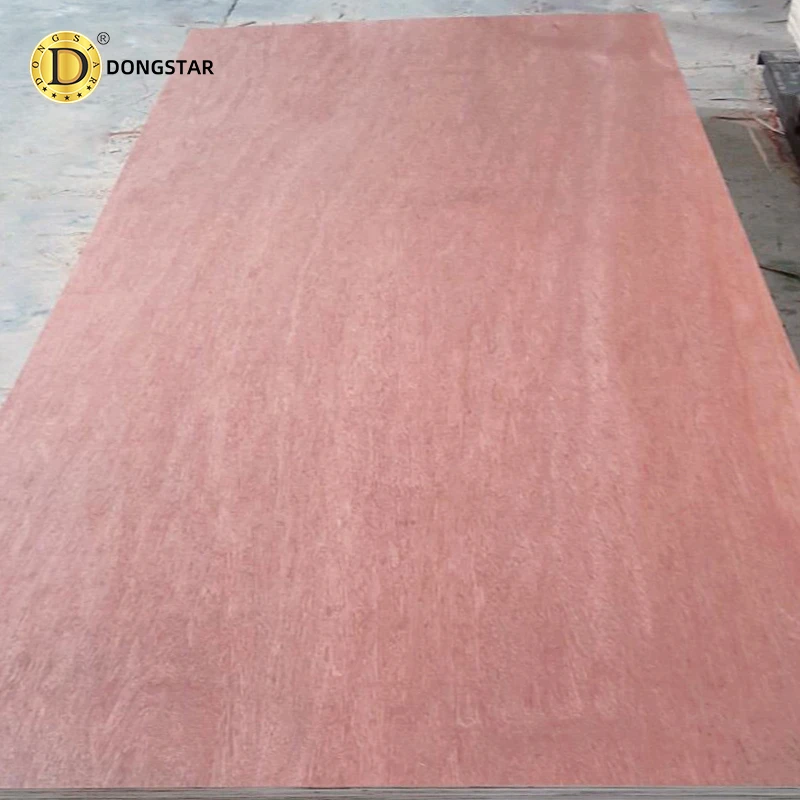
Auditing an overseas wood panel manufacturer requires inspecting 2026 mill data, testing 50 random core samples, verifying CARB Phase 2 compliance certificates, checking 1.5 MPa hot press pressure logs, and confirming FSC chain of custody documentation before signing bulk 5,000 panel supply agreements.
Evaluating foreign panel mills begins by examining legal timber documentation issued by independent bodies.
Certified compliance records must prove that 100 percent of harvested hardwood logs originate from sustainably managed Scandinavian forests verified during 2025 audits.
Auditors examine annual forestry reports showing that 85 percent of harvested timber complies with strict European environmental regulations established in 2023.
Verifying timber legality transitions naturally into inspecting the physical pressing machinery located on the factory floor.
Modern hydraulic hot presses apply a consistent pressure of 1.6 megapascals across 4x8 foot platens during 12-minute cycles to cure adhesive bonds.
Factory calibration logs from 2026 indicate that thermal sensors maintain a stable platen temperature of 135 degrees Celsius across 30 consecutive production batches.
Monitoring press temperatures leads directly to analyzing the internal core scanning technology used to detect manufacturing defects.
Non-destructive ultrasound scanners inspect 1,000 individual panels per hour to isolate internal voids larger than 2 square centimeters before final sanding.
Quality control inspectors reject any production batch where internal void rates exceed 0.5 percent during standardized laboratory stress testing.
Isolating internal panel defects connects directly with reviewing chemical laboratory reports regarding adhesive emissions and safety standards.
Independent laboratory test results from 2026 confirm that formaldehyde off-gassing levels remain strictly below 0.03 parts per million.
Low emission thresholds satisfy EPA TSCA Title VI requirements across 10,000 panels tested monthly in accredited third-party German testing facilities.
Reviewing chemical safety data naturally leads into evaluating the physical bond strength under extreme moisture conditions.
Standard EN 314-1 boil tests require glue lines to withstand 72 hours of boiling water immersion without showing delamination across 50 test samples.
Recorded shear strength values consistently exceed 1.2 megapascals when tested on structural panels manufactured by a certified Birch Plywood Supplier.
Measuring physical bond strength transitions directly to inspecting the packaging and container loading protocols for international transit.
Export packaging standards mandate six layers of moisture-barrier plastic wrapping and reinforced corner protectors for every pallet shipped overseas.
Logistics audits from 2025 demonstrate that proper container bracing reduces maritime transit damage rates to under 0.2 percent across 40 shipments.
Assessing transit protection leads directly into verifying the operational production capacity of the manufacturing facility.
Mill production output metrics show a consistent baseline capability of producing 8,000 standard panels weekly without extending delivery lead times.
Production logs from the first quarter of 2026 prove that factory machinery runs at 85 percent capacity utilization during peak commercial construction cycles.
Checking baseline production capacity leads directly into reviewing historical delivery performance records maintained by the logistics department.
On-time shipment tracking data indicates that 94 percent of international cargo containers depart the mill port within 48 hours of schedule.
Logistics managers analyze delay reports showing that average ocean transit times remain stable at 28 days when shipping to North American ports.
Analyzing shipping schedules connects directly to reviewing financial stability and trade references provided by the manufacturing partner.
Credit rating agencies assigned a low-risk commercial score based on audited financial statements covering the fiscal years 2024 through 2025.
Commercial references from 15 international buyers confirm that the mill maintains stable raw material pricing agreements across multi-year supply contracts.
Reviewing financial stability leads directly into evaluating the responsiveness of the customer support and technical engineering teams.
Technical support logs show an average response time of 3 hours for resolving custom sizing inquiries submitted by international project engineers.
Engineering departments provide detailed CAD cutting diagrams within 24 hours to verify panel dimensions before initiating full-scale manufacturing runs.
Evaluating technical support transitions directly into examining factory waste management and environmental sustainability practices.
Production waste tracking reports demonstrate that 75 percent of wood scrap is recycled on-site to generate thermal energy for veneer drying kilns.
Environmental audits conducted in 2026 confirm that mill operations consume 20 percent less grid electricity due to biomass energy co-generation systems.
Examining factory environmental practices leads directly to reviewing worker safety protocols and labor standards on the production floor.
Occupational health records from 2025 document zero major safety violations across 250 full-time manufacturing employees working rotating shifts.
Factory safety audits verify that mandatory personal protective equipment compliance reaches 100 percent during sanding and pressing operational hours.
Need a guaranteed cash offer on your KC home?
Tell us about the property. Most homeowners receive a written offer within 24 hours — and we close on the date you choose.
Get My Guaranteed Offer